

Trending today
A Touch of Spice
"A Touch of Spice" is a story about Fanis, a young Greek boy growing up in Istanbul, whose grandfather, a culinary philosopher and mentor, teaches him that both food and life require a little salt to give them flavor. They both…
Cinezo: films from Turkey, Greece, Romania and the Balkans, from Zorba the Greek, A Touch of Spice and The Wild Pear Tree to Philanthropy, Silent Wedding and Who's Singin' Over There?, and where to watch them
189 films in Turkish, Greek, Romanian, Serbian, Croatian and Bulgarian, 1960 to 2026.
From Turkey
View all ›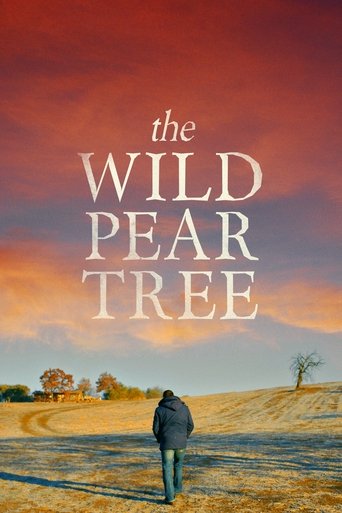 ★ 7.5
★ 7.5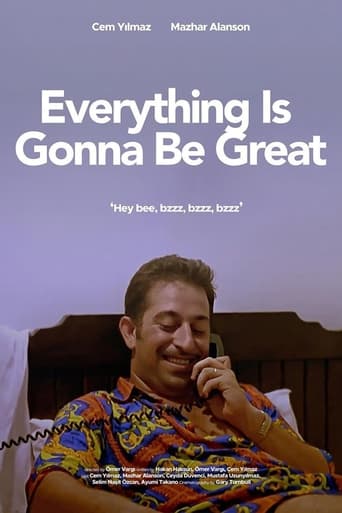 ★ 7.5
★ 7.5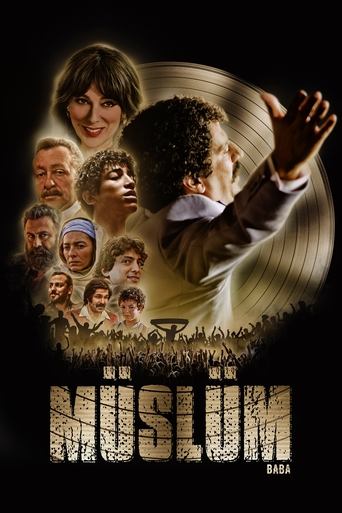 ★ 7.1
★ 7.1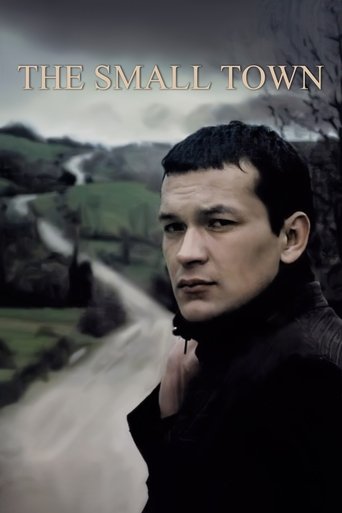 ★ 6.6
★ 6.6 ★ 6.7
★ 6.7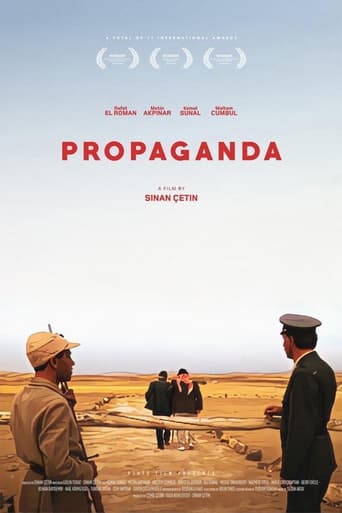 ★ 6.6
★ 6.6 ★ 7.8
★ 7.8From Greece
View all ›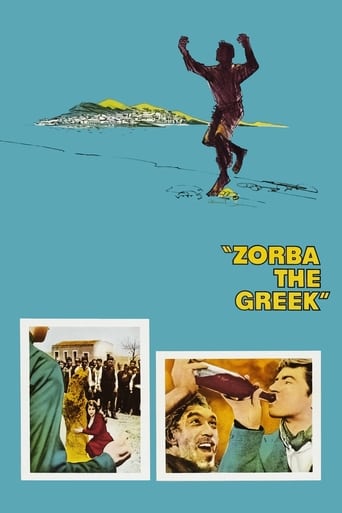 ★ 7.5
★ 7.5 ★ 7.8
★ 7.8 ★ 6.3
★ 6.3 ★ 6.5
★ 6.5 ★ 7.0
★ 7.0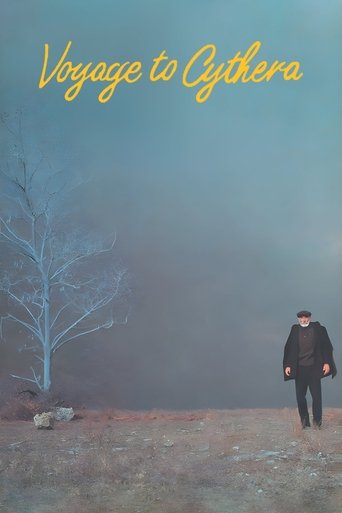 ★ 7.1
★ 7.1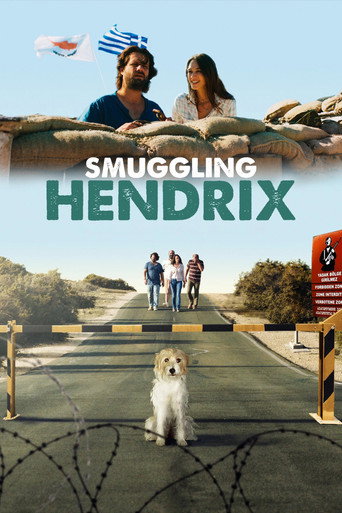 ★ 6.4
★ 6.4From Romania
View all ›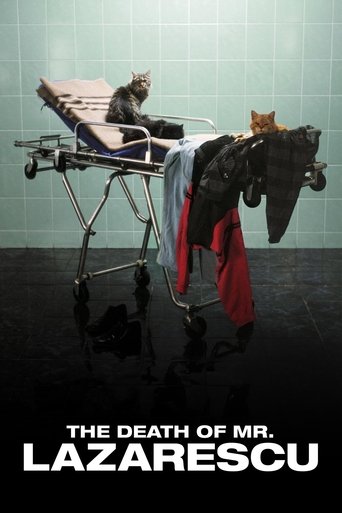 ★ 7.4
★ 7.4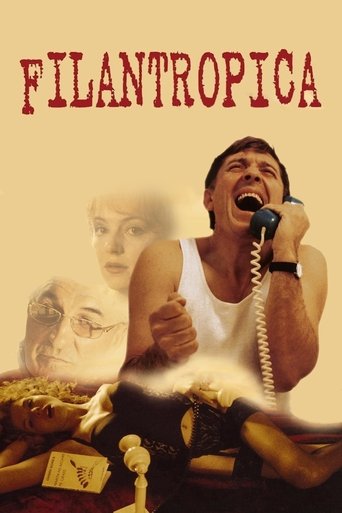 ★ 7.7
★ 7.7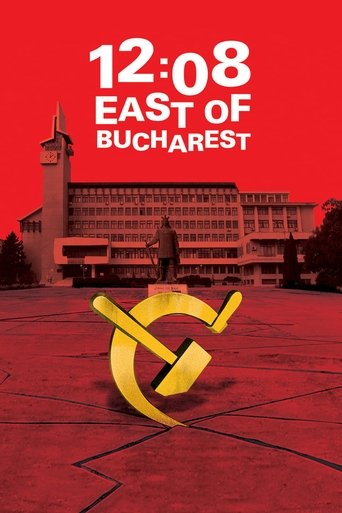 ★ 6.9
★ 6.9 ★ 7.9
★ 7.9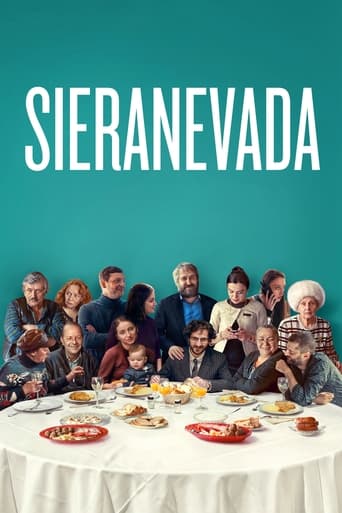 ★ 6.8
★ 6.8 ★ 7.2
★ 7.2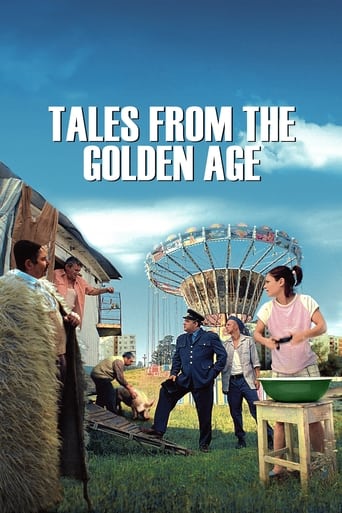 ★ 7.0
★ 7.0From the Balkans
View all ›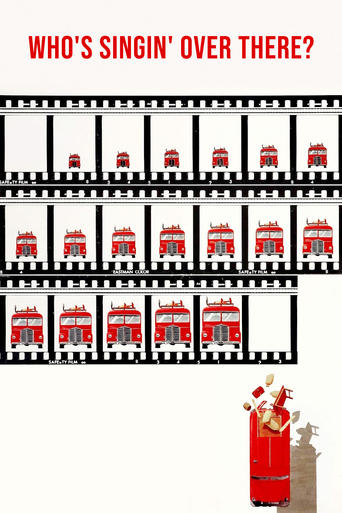 ★ 7.5
★ 7.5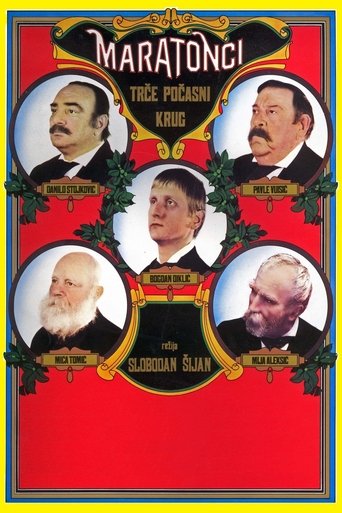 ★ 7.6
★ 7.6 ★ 6.8
★ 6.8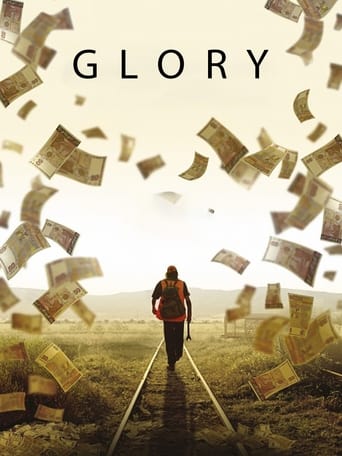 ★ 7.3
★ 7.3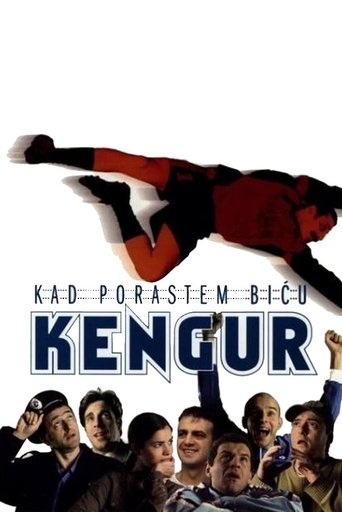 ★ 8.2
★ 8.2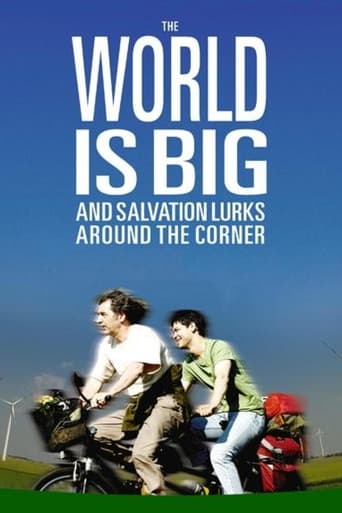 ★ 7.0
★ 7.0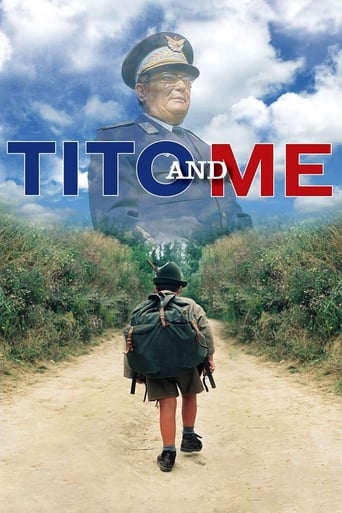 ★ 7.0
★ 7.0Comedy classics
View all ›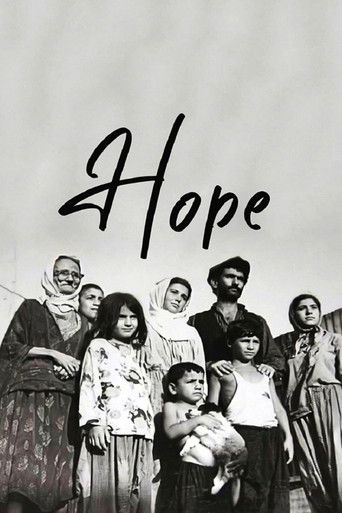 ★ 7.4
★ 7.4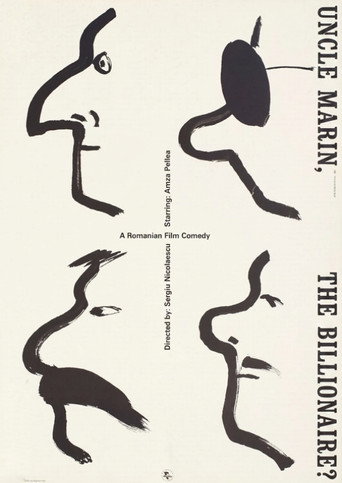 ★ 8.0
★ 8.0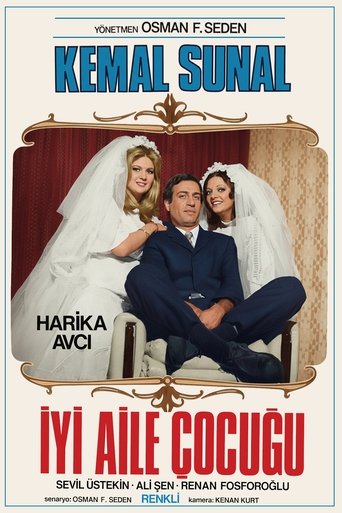 ★ 6.8
★ 6.8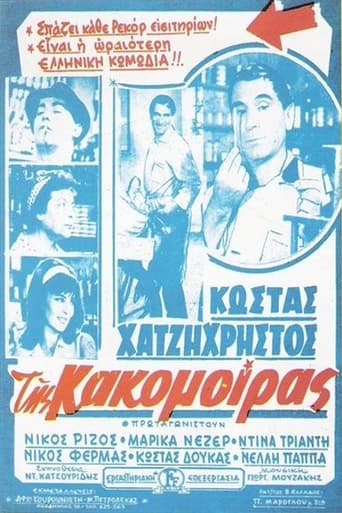 ★ 8.2
★ 8.2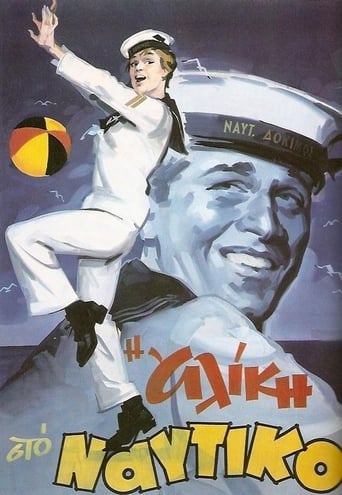 ★ 6.5
★ 6.5 ★ 7.2
★ 7.2 ★ 6.7
★ 6.7New releases
View all › ★ 6.9
★ 6.9 ★ 6.7
★ 6.7 ★ 6.3
★ 6.3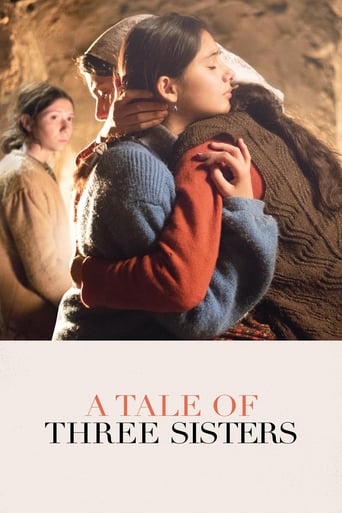 ★ 7.2
★ 7.2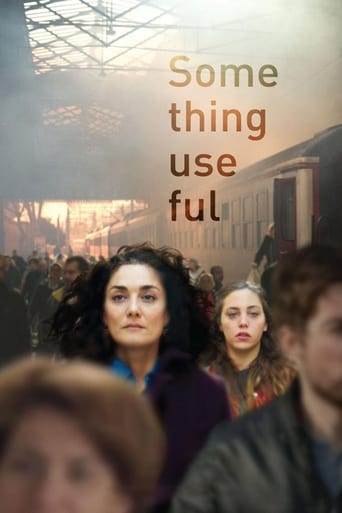 ★ 7.4
★ 7.4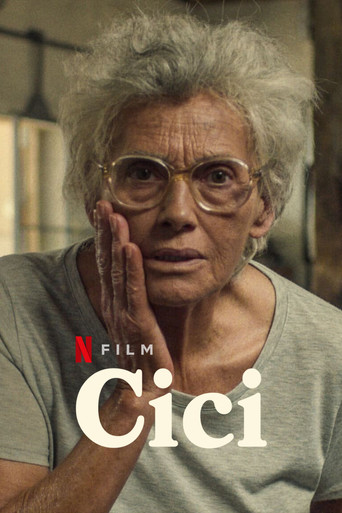 ★ 6.3
★ 6.3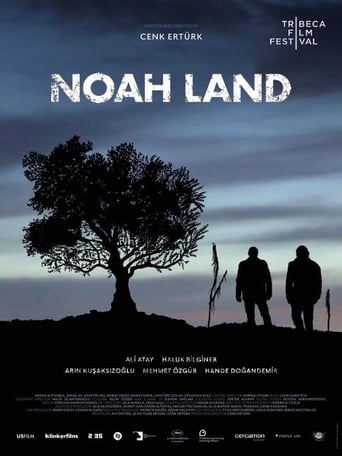 ★ 7.0
★ 7.0Family
View all ›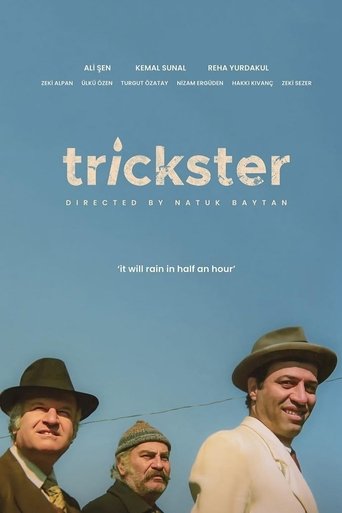 ★ 7.5
★ 7.5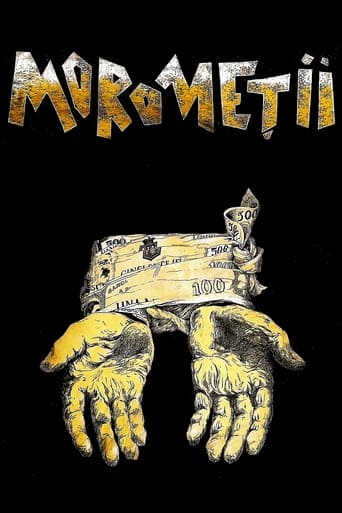 ★ 7.5
★ 7.5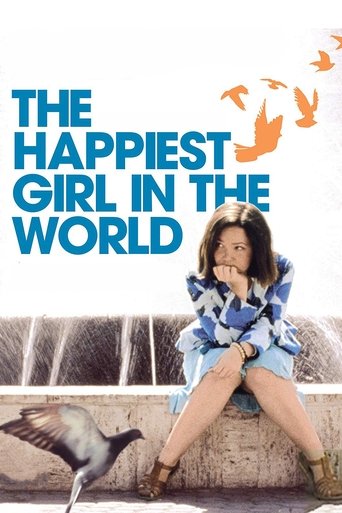 ★ 6.8
★ 6.8 ★ 6.6
★ 6.6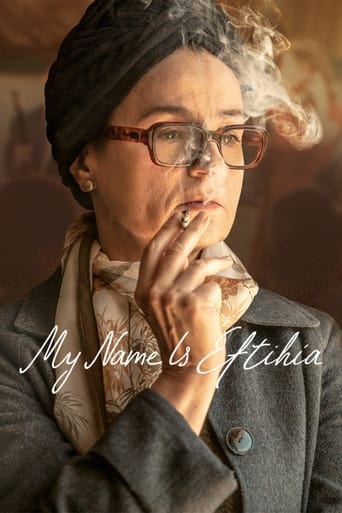 ★ 8.2
★ 8.2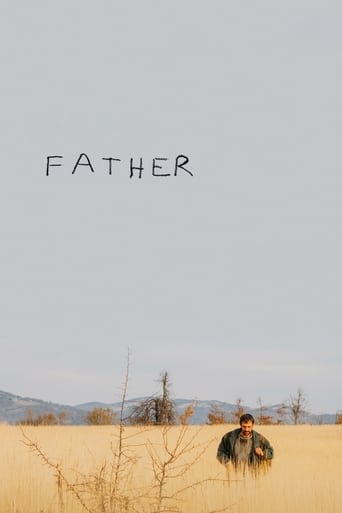 ★ 7.6
★ 7.6 ★ 6.6
★ 6.6Browse the lists
Turkey53Greece58Romania50The Balkans28Comedy116Drama67Romance55Family90Growing up66Village life45City life39Music and the arts39History26True stories10Adventure and fantasy17Before 1980561980 to 1999352000 to 2014332015 onwards65Top rated67
The Cinezo guide to films from Turkey, Greece, Romania and the Balkans
Cinezo: films from Turkey, Greece, Romania and the Balkans, from Zorba the Greek, A Touch of Spice and The Wild Pear Tree to Philanthropy, Silent Wedding and Who's Singin' Over There?
The lands that curve round the Aegean and the Black Sea, from Athens through Istanbul to Bucharest and back down the Adriatic coast, share a great deal: the same coffee under different names, the same stuffed vine leaves, the same weddings that last three days, the same village square with its plane tree and its talkers. They also share a cinema that the rest of the world has largely missed. Each of these countries has a golden age of popular comedy that its people still watch every holiday, a tradition of films about village life and childhood, and a new generation of directors who win prizes at the great festivals. Cinezo is a guide to 189 of these films, made between 1960 and 2026 in Turkey, Greece, Romania, Serbia, Croatia and Bulgaria. Each has its own page, its story, its director and cast, and a Watch now button that leads to the official services carrying it in your country.
The catalogue has been chosen for the whole household. Every summary was read by hand, and the selection keeps to comedy, family stories, romance, childhood, music, history and gentle fantasy. Crime films, horror, films of the battlefield, erotic comedies and adult dramas were left out. What remains includes a boy who learns the stars from his grandfather's spice shop, a busload of villagers on the road to Belgrade, a wedding that must be celebrated in complete silence, a schoolteacher who takes up an unusual sideline to impress a girl, a beekeeper's small son in the forests of the Black Sea, and a grocer's assistant in old Athens who is unable to hold his tongue.
The guide travels country by country. It begins with three films for a first evening, then visits Greece, Turkey, Romania, Serbia, Croatia and Bulgaria, and goes on to themes: comedy, family, childhood, village life, music and history. The last sections cover languages and subtitles, search, the lists and My List. Every film title is a link, and the text is in English for viewers anywhere.
What Cinezo offers
Cinezo is a viewing guide. It holds neither films nor downloads; it tells you what each film is about, who made it and who appears in it, and then hands you to the legal services that carry it. The how to watch page sets out the three steps: find a film, read its page, choose your country and press Watch now. The button opens JustWatch, an independent directory of streaming, rental and purchase services, on the entry for that film, so the answer is always current for the place where you live.
The 189 films divide by language: fifty-eight in Greek, fifty-three in Turkish, fifty in Romanian, twelve in Serbian, nine in Bulgarian and seven in Croatian. There are 116 comedies and sixty-seven dramas. Fifty-six films were made before 1980, thirty-five in the eighties and nineties, thirty-three between 2000 and 2014, and sixty-five since 2015. Four are short films. Twenty lists arrange the catalogue by country, kind, theme and period, and the top rated list gathers the sixty-seven titles that viewers have scored most highly.
The home page is simple to use. A rounded bar floats at the top of the screen with the menu, the search field and a white My List button. A featured film fills the width of the page, and rows of posters follow for Turkey, Greece, Romania, the Balkans, the comedy classics, new releases and family films, each with a View all link. Each poster carries its rating in a corner. On a phone, a small dock at the foot of the screen leads to the home page, the films, the top rated list and My List.
A first evening
Three films make good introductions. A Touch of Spice, released in 2003, is the most popular Greek film of its generation. Fanis is a professor of astrophysics in Athens and a superb cook. He learned both subjects as a small boy in Istanbul, in the attic of his grandfather's spice shop, where the old man taught him the planets with peppercorns and cinnamon: the sun is pepper because it warms, Venus is cinnamon because it is sweet and bitter, like all women. In 1964 the family, Greeks who had lived in the city for generations, was obliged to leave for Athens, and the grandfather, who stayed, promised each year to visit. Forty years later Fanis goes back. The film is told in three courses, like a meal, and is funny, sensuous and wise about what it means to belong to two places. Its original title, Politiki Kouzina, means both the cuisine of the City and political cooking.
Who's Singin' Over There?, made in Yugoslavia in 1980, is regularly voted the best film ever made in the Serbian language. It is a spring morning in 1941. A ramshackle bus, owned by a tyrannical father and driven by his simple-minded son, sets out along the country roads for Belgrade. Aboard are a pompous official, a consumptive, a hunter with his gun, a crooner on his way to an audition, a veteran of an earlier conflict, a pair of newlyweds, and two young musicians who comment on the action in song. The journey that should take a few hours lasts two days, through a ploughed field, a funeral, a collapsed bridge and a great many quarrels. It is a comedy of human foolishness, short and perfectly shaped, and its last minute places everything that came before in a new light.
Silent Wedding, from Romania in 2008, is based on an event said to have happened in a village in 1953. Mara and Iancu are to be married, the animals have been roasted, the brandy poured and the musicians hired, when officials arrive to announce a week of national mourning for a leader in a distant capital: all celebrations are forbidden. The families decide to hold the wedding anyway, at night, behind shuttered windows, in total silence. The feast that follows, with wrapped cutlery, mimed toasts and a band playing soundless instruments, is one of the great comic sequences of recent European cinema. The film is high-spirited for most of its length and grave at its close.
Greece: the golden age
Fifty-eight films are Greek, and the Greece guide arranges them. Between about 1955 and 1975 the studios of Athens produced several hundred comedies and musicals, many of which are shown on Greek television to this day; grandparents and grandchildren know the same lines. Cinezo holds some forty of them. They are sunny, fast, innocent films about clerks, shopkeepers, matchmakers, strict fathers and clever daughters, and they give a picture of a country moving in one generation from the village to the apartment block.
World Gone Mad, from 1963, is among the most quoted. Zikos, played by Kostas Hatzichristos, serves behind the counter of a neighbourhood grocery and has an opinion on everything, which he shares with the customers while short-changing them out of sheer distraction. His employer, a self-important little man with social ambitions, plans to marry a poor girl of the quarter with the help of the matchmaker, and Zikos, who has his own view of the matter, is unable to keep quiet. The comedy lies in the endless war between master and assistant.
The great star of the period was Thanasis Veggos, a small, bald, tireless man who seemed to run through every film he made. In Papatrechas he is the caretaker of an Athens block of flats who does every tenant's errands at a sprint, saving each coin toward the dowries of his many sisters. In Help! Vengos Visible Agent '000' he is the worst pupil at a school for spies, and in Thou-Vou Bald Agent, Operation: Havoc the same hapless agent is sent on three missions that exist only in the mind of a film director. School for Chauffeur Ladies puts him in charge of a driving school, Who Thanasis! gives him a shop and a broken heart, and I'll Make You Queen casts him beside Lambros Konstantaras, the suave father figure of Greek comedy.
Konstantaras himself leads A Matter of Earnestness, as a government minister who visits his home village to open a hospital, learns what his constituents really think, and resolves to mend his ways; The Strongman Who Became a Lamb, as a stern widower with three unruly sons whose household is transformed by a new housekeeper; Captain Fandis Bastounis, as a sea captain who finds a stowaway; and The Crazy Fifty and Gerontokoros, two comedies of late-blooming romance. The female stars were just as loved. Aliki Vougiouklaki, the national sweetheart, dresses as a sailor to follow her fiancé aboard ship in Alice in the Navy, plays a schoolgirl who marries her teacher and then misses her classmates in Throbs at the Desk, and becomes a nightclub singer in Bouzouki Strumming. Jenny Karezi is the formidable head of an engineering office in Miss Manager, the sensible daughter of an eccentric household in A Crazy, Crazy Family, and a politician's daughter caught between two campaigns in Jenny Jenny.
Greece: village comedies, musicals and modern films
The village comedies have a charm of their own. In Madame Mayor, two rival tavern keepers on an island, a redoubtable widow and a retired sergeant major, stand against each other in the local election while their children court in secret. In Mrs. Midwife a doctor from the city opens a surgery in his wife's village and finds that the patients prefer the midwife, with her charms and her remedies; her son, a medical student, then falls for the doctor's daughter. Georgia Vasileiadou, the great character actress of the time, plays both formidable ladies. Liar Wanted follows a shameless fibber, played by Dinos Iliopoulos, who is hired as secretary to a member of parliament precisely for his gift, and Welcome Dollar is a comedy about a shy teacher of English whose neighbourhood is turned upside down by the arrival of the fleet.
Giannis Dalianidis directed the musicals. Someone like It Cold... concerns a brother who may marry only when his three sisters have done so; Something Hot is set at the international fair in Thessaloniki; The Blue Beads from Greece pits an old tavern with bouzouki players against the modern club next door; and The Gambler Lady gives the irrepressible Rena Vlahopoulou a passion for cards that her husband tries every trick to cure. His later comedies include Wake up Vassili, about a cautious clerk whose lottery ticket finally comes up, The little man and A Knight for Vasoula. An Italian girl from Kypseli is a farce in which a student introduces his fiancée to his family as a foreigner because his sister has sworn he will marry anyone but a local girl.
One film of the period travelled the world. Zorba the Greek, made in 1964 by Michael Cacoyannis from the novel by Nikos Kazantzakis, sends a bookish young Englishman, played by Alan Bates, to Crete to reopen a mine, in the company of a foreman he has met on the quay: Alexis Zorba, played by Anthony Quinn, a man of sixty-odd who has done everything, regrets little, and dances when words fail him. The music by Mikis Theodorakis is known everywhere, and the film won three Academy Awards. It is spoken largely in English. Crete is shown as a hard place as well as a beautiful one, and two episodes in the village are harsh; the film is recommended for adults and older teenagers.
Later Greek cinema has two faces. The films of Theo Angelopoulos are slow, grand and musical: Eternity and a Day, which won the Palme d'Or at Cannes in 1998, follows an ailing poet, played by Bruno Ganz, through his last day in Thessaloniki, in the company of a small boy he has helped, and Voyage to Cythera concerns an old man's return from long exile. The satirical tradition continued with Loafing and Camouflage, a much-loved comedy of 1984 about conscripts assigned to the army's television service in the sixties; Educate Yourself My Son, a comedy of village pretensions; What a Mess, three sketches by the comedian Harry Klynn; and Good Evening to You, about two rival teenage radio pirates.
Among recent Greek films, Tailor is a delight: Nikos, a shy tailor of fifty whose family shop is failing, builds a tailor's stall on wheels and takes his craft to the street markets, where the women of the neighbourhood ask him for wedding dresses. Apples, by Christos Nikou, imagines a city where people are losing their memories and are taught to build new lives by collecting photographs of ordinary experiences. Smuggling Hendrix, set in divided Nicosia, is a comedy about a musician whose dog runs across the line that splits the island and must somehow be brought back. Little England is a handsome period romance set among the ship-owning families of the island of Andros, My Name Is Eftihia tells the life of the woman who wrote the words of many of Greece's best-known songs, and Stelios that of the singer Stelios Kazantzidis. Worlds Apart, Plato's Academy, Her Job, Green Sea, in which a woman who has forgotten her name remembers how to cook, Digger, Jamaica and Magnetic Fields complete the modern shelf, and Hen, from 2026, tells its story from the point of view of a hen in the yard of a seaside restaurant.
Turkey: popular comedy
Fifty-three films are Turkish, and the Turkey guide introduces them. The Turkish equivalent of the Athens studios was a street in Istanbul called Yeşilçam, which in its best years released two hundred films annually. Its most enduring star was Kemal Sunal, a tall man with an innocent grin who played the good-natured simpleton in more than eighty comedies; when one of them is on television, it is said, the streets of Turkey grow quieter. Five are in the catalogue. In Davaro, from 1981, Memo comes home to his village from a job in Germany with savings for his wedding, and finds that custom requires him to settle an old family quarrel first; he has neither the taste nor the talent for it, and neither has his opponent, played by Şener Şen. In Trickster another returning emigrant is mistaken for a holy man. A Good Family Kid gives him twin roles, Deli Deli Küpeli is a comedy of mistaken identity in a mountain village, and Abuk Sabuk Bir Film a fantasy about a peasant defending his land.
Sunal's last film was Propaganda, directed by Sinan Çetin in 1999 and based on a true story. In 1948 a customs officer, proud of his new uniform, is ordered to mark the national border, which is to run straight through the middle of his own village. His best friend, the local doctor, lives on the other side of the new wire, and the doctor's son is engaged to the officer's daughter. Metin Akpınar plays the friend. It is a broad comedy with a serious heart about lines drawn on maps. Akpınar and his partner Zeki Alasya, the great double act of Turkish cabaret, appear together in Güler misin Ağlar mısın, as a hotel receptionist and a builder whose friendship is tested by a mini-golf course.
The older Yeşilçam is represented by its romantic leads. Sadri Alışık, who specialised in gentle men of the back streets, stars in Şaka ile Karışık and in Ah Müjgân Ah, in which a poor suitor learns that the son of his sweetheart's employer has also proposed. Türkan Şoray, the queen of the Turkish screen, plays a fishmonger's daughter with a beautiful voice in Kara Gözlüm, who becomes a star and must choose between a career abroad and the composer who loves her. Let It Be is a newspaper comedy with Tarık Akan, and Life is Beautiful When You Are in Love a family film about a girl whose good cheer wins over a sour little town. Yılmaz Güney, who was first a star of adventure films and then the country's most important director, is seen in Hope, his masterpiece of 1970, about a horse-cab driver in Adana who loses his horse and joins a hunt for buried treasure, and in Friend.
The best comedy of modern times is Everything's Gonna Be Great, from 1998, a road film with the comedian Cem Yılmaz and the musician Mazhar Alanson as two brothers, one a dreamer with a new business plan every week and the other a cautious pharmacist, who are thrown together by the dreamer's latest scheme. The International is set in a provincial town in 1982, where a band of wedding musicians is drafted to play at an official parade and learns a tune whose history nobody has explained to them. Friends of the Groom, Cute and Dangerous, A Son of the Sun, Son Ders: Aşk ve Üniversite and the spy spoof D.I.S.C.O., from 2026, are lighter entertainments.
Turkey: village, city and the new cinema
Since the nineties Turkish directors have won nearly every major festival prize, usually with films about the countryside and about childhood. Nuri Bilge Ceylan began with The Small Town, a black-and-white film in four seasons seen through the eyes of two children, made with his own relatives as actors. Twenty-one years later came The Wild Pear Tree: Sinan returns from university to his home town near Troy with the manuscript of a book and the hope of publishing it, and spends a year arguing with a writer, two young clerics, a mayor and, above all, his father, a schoolteacher whose weakness for betting has cost the family its good name and who is digging a well on a dry hillside that everyone says is bone dry. It lasts three hours, the talk is splendid, and the final scene between father and son is unforgettable. It is a film for patient adults.
Honey, by Semih Kaplanoğlu, won the Golden Bear at Berlin in 2010. Yusuf is six and lives in the forested mountains of the Black Sea coast, where his father hangs beehives high in the trees. The boy has a stammer that vanishes only when he whispers to his father, and he longs to win the red badge his teacher gives for reading aloud. The soundtrack is almost entirely the sounds of the forest. The same director's Commitment Hasan concerns a farmer preparing for a pilgrimage who looks back over the bargains of his life. Rauf is a lovely small film about a boy of nine, apprenticed to a carpenter in a snowbound eastern village, who sets out to find the colour pink for the carpenter's daughter, having seen only white, grey and brown. A Season in Hakkari, which won the Silver Bear in 1983, follows a teacher through a winter in a mountain village cut off by snow.
Reha Erdem, the most poetic of the group, is represented by Kosmos, in which a stranger with odd gifts arrives in a frontier town, and A Run for Money, a moral fable about an honest shopkeeper who finds a bag of banknotes in a taxi. Emin Alper's A Tale of Three Sisters is set in a village in the eighties to which three daughters, sent to town as maids, have each been returned. Snow and the Bear follows a young nurse on her first posting, and Noah Land a son carrying out his father's wish to be buried beneath a tree the whole village claims.
The city films are led by Lovelorn, written and directed by Yavuz Turgul in 2005. Nazım, played by Şener Şen, has spent thirty years as a village teacher in the east out of pure idealism. Retired and back in Istanbul, estranged from the grown children who felt he gave more to other people's, he drives a taxi at night and one evening picks up a singer and her small daughter. It is a rich, old-fashioned drama about the price of principle, with some hard moments, and it suits adults. Big Man, Little Love pairs a retired judge, fixed in his ways, with a five-year-old girl who speaks another language and has nowhere to go. Something Useful follows a lawyer who is also a poet on a night train to a school reunion, Dust Cloth two cleaners and friends in Istanbul, Toll Booth a motorway clerk with a rich inner life, and Remember us a busy son who must at last look after his father.
Music and biography supply Muslum, the life of the singer Müslüm Gürses, which drew more than six million people to Turkish cinemas in 2018; it deals with a harsh childhood and suits older viewers. Istanbul Beneath My Wings is a costume adventure about the seventeenth-century scholar said to have flown across the Bosphorus on wings of his own design. Madame is a tender portrait of an elderly piano teacher and her cat, Two Hearts As One a love story spanning half a century, and Life, Cici, Debt, The Pigeon, Two Types of People, Memories of the Wind and The Market: A Tale of Trade are thoughtful dramas of the last twenty years. Two shorts are included: The Last Schnitzel, a science fiction comedy of twenty-two minutes, and My Uncle.
Romania
Fifty films are Romanian, and the Romania guide lists them. Romanian comedy has a flavour of its own, dry, ironic and fond of the absurd, and its modern master is Nae Caranfil. Philanthropy, from 2002, is his best-loved film. Ovidiu is a secondary school teacher of thirty-five who lives with his parents and writes stories nobody publishes. He falls for a glamorous young woman whose tastes are far beyond his salary, and in his search for money he meets a Mr Pepe, who runs an unusual agency: he writes heart-rending scripts for people to perform in restaurants and on street corners, on the principle that an outstretched hand with a good story behind it is always filled. Caranfil also made The Rest Is Silence, a lavish comedy about the making of the first Romanian feature film in 1911, and 6.9 on the Richter Scale, a musical about an actor, a new flat and a fear of earthquakes.
The directors of the Romanian new wave are known for long takes and serious subjects, but they began with comedy and return to it often. Corneliu Porumboiu's 12:08 East of Bucharest, which won the Caméra d'Or at Cannes, takes place in a provincial television studio, where a presenter and two guests, a tipsy teacher and a retired Father Christmas, debate on air whether anything historic happened in their town on a certain day in 1989, while viewers telephone to contradict them. His The Treasure sends two neighbours and a man with a metal detector to dig up a garden. Cristian Mungiu's first film, Occident, tells one week three times over from three points of view, and his Tales from the Golden Age collects the tall stories of the eighties: the village that had to be repainted for an official visit, the photograph that had to be retouched, the pig that had to be dispatched quietly in a city flat.
Cristi Puiu's The Death of Mr. Lazarescu follows an elderly man and a patient ambulance nurse from hospital to hospital through one long night; it is a dark comedy of great humanity and is intended for adults. His Sieranevada spends an afternoon with a large family gathered in a small flat for a memorial meal that keeps being postponed. Radu Jude's The Happiest Girl in the World is a sharp little comedy about a teenager who has won a car in a soft drink promotion and must film a commercial while her parents plan to sell the prize, and his short The Tube with a Hat follows a father and son carrying a broken television across the fields to be repaired.
The most popular Romanian film of recent years is Two Lottery Tickets, made for very little money in 2016. Three friends in a small town, a mechanic, a carpenter and a civil servant with a theory about everything, buy a ticket, win six million, and discover that the ticket was in a bag that has just been taken. Their search, door to door through a block of flats and then by car to Bucharest, is deadpan from start to finish. A sequel, Another Lottery Ticket, followed. Of Snails and Men is based on a real episode of the nineties in which the workers of a doomed factory looked for an original way to raise the money to buy it. Eastern Business, from Moldova, follows two friends, a singing teacher and a small trader, on a journey with a consignment of horseshoes, and America, Here We Come! takes a provincial theatre troupe across the Atlantic.
Older Romanian films remain much loved at home. Uncle Marin, the Billionaire, from 1979, gave the comedian Amza Pellea a double role as a peasant from Oltenia visiting his nephew at a seaside hotel and the visiting American millionaire for whom he is mistaken. The three Brigade Miscellaneous Steps In comedies, with Toma Caragiu, concern a squad of easy-going policemen who solve small cases by luck. The Prophet, the Gold, and the Transylvanians is a Romanian western about three brothers in Utah, and Păcală brings a trickster of folk tales to the screen. The Moromete Family, from the classic novel, is a portrait of a village patriarch on the Danube plain in the thirties, played by Victor Rebengiuc, and Moromete Family: On the Edge of Time continues the story. The High Schoolers and Confession of Love were the teenage romances of the eighties, and the fairy-tale musicals Veronica and Veronica Comes Back, with their mice, foxes and songs, were made for small children.
Romania: history and new comedies
Several Romanian films look back at the country's past. Queen Marie of Romania follows the British-born queen to Paris in 1919, where she pleaded her adopted country's case before the great powers with charm and determination. Hawaii is a caper set in the eighties about a man who inherits a fortune abroad at a time when owning foreign money was forbidden. The Christmas Gift, a short film of twenty-three minutes, is set a few days before Christmas in 1989, when a father learns what his small son has written in his letter to Father Christmas and posted in the box on the corner. Why Are the Bells Ringing, Mitica? is Lucian Pintilie's riotous version of a classic stage farce about a barber, a carnival and a tangle of jealousies, and Microphone Test, The Snails' Senator, Bucharest Identity Card and The Secret of Bacchus are satires of their day.
Popular comedy thrives again in Romania. U Get What U Kiss and its sequel are set in a mountain village where, by tradition, the girl a shepherd kisses on the day of the wool fair becomes his bride. Wedding for Money, Weddings, christenings and funerals, Part-Time Daddy, Ramon, Vecina, about a block of flats and a new neighbour who demands silence, and Miami Bici have all filled cinemas in the last few years, and 5Gang: A Different Kind of Christmas stars a pop group popular with teenagers. Love Is a Story is a Christmas romance in a Transylvanian town, and Bucharest Non-Stop weaves four stories round an all-night corner shop.
Serbia, Croatia and Bulgaria
Twenty-eight films come from the three countries grouped in the Balkans guide. Serbia's twelve begin with the two comedies that Slobodan Šijan made from scripts by Dušan Kovačević. After Who's Singin' Over There? came The Marathon Family, in 1982, a black comedy about six generations of undertakers living under one roof, all men, the eldest of whom is a hundred and fifty; when the youngest wishes to leave the family trade, there is uproar. Its humour is dark and it is best for adults. Tito and Me, by Goran Marković, is sunnier: in the Belgrade of 1954 a plump ten-year-old who is in love with a taller girl writes a prize-winning essay and joins a children's march through the countryside, led by an over-zealous guide.
Montevideo, God Bless You! and See You in Montevideo tell the true story of the young footballers from Belgrade who travelled to the first World Cup in 1930 and surprised everyone; the first film shows how the team was formed in the back streets, the second the voyage and the tournament. Both were great successes and suit all ages. Barking at the Stars is a nostalgic comedy about the final year at a small-town high school in the sixties, Three Tickets to Hollywood a farce about a village policeman preparing for an official visit, and When I Grow Up, I'll Be a Kangaroo a comedy of one evening on a Belgrade housing estate. Toma is a life of the folk singer Toma Zdravković. Father, which won the audience award in its section at Berlin in 2020, is a sober and stirring drama about a labourer who walks three hundred kilometres to the capital to ask a minister for the return of his children. Train Driver's Diary is a wry comedy about a railwayman close to retirement and the son he is training, and How I Learned to Fly a family film about a girl of twelve on a summer holiday with her grandmother on a Dalmatian island.
Croatia's seven include two of the best children's films ever made in the region. In Train in the Snow, a class from a village school travels to Zagreb on an outing and is caught on the way home when the train sticks fast in a snowdrift; the children organise themselves, share their food and help to dig the engine out. In Pero the Lump's Gang, a group of village boys secretly repair an abandoned watermill. Both date from the seventies and have delighted every generation since. One Song a Day Takes Mischief Away, from 1970, is regularly named the best Croatian film: the Zagreb of the thirties seen through the diary of a small boy, whose father, mother and maiden aunt go on Sunday picnics with a dapper gentleman who has taken a fancy to one of them. The Birch Tree is a lyrical village drama, Armin the story of a father who brings his teenage son to the city for a film audition, Comic Sans a comedy of a designer and his eccentric father on an island, and My Grandpa is an Alien a science fiction adventure for children.
Bulgaria's nine are led by The World Is Big and Salvation Lurks Around the Corner, from 2008. Alex, raised in Germany, wakes in hospital after an accident with his memory gone. His grandfather Bai Dan, the backgammon king of his home town, arrives from Bulgaria, discharges him, and takes him home across Europe on a tandem bicycle, teaching him the game and his own history along the way. Miki Manojlović is magnificent as the grandfather. A Nameless Band, from 1982, is the cult comedy of Bulgarian cinema, about four friends who rehearse all winter to play the summer season at a seaside resort, and King for a Day is a tragicomedy about a poor villager of the thirties with a new scheme each week. Vacation with Kids and Exams at Any Odd Time are classics for children. Glory is a sharp modern fable about a railway linesman who hands in a fortune he finds on the track and is rewarded with a watch that stops, Avé a road film about two teenage hitch-hikers, Ága a story of an elderly couple living on the northern ice, and Gundi: Legend of Love the life of a much-loved footballer.
Comedy across the region
The 116 comedies are introduced in the comedy guide. A viewer who watches one from each country will notice a family likeness. The hero is usually a small man facing a large institution: the ministry in A Matter of Earnestness, the border in Propaganda, the television station in 12:08 East of Bucharest, the bus company in Who's Singin' Over There?. Weddings, inheritances and lottery tickets drive the plots, and the emigrant returning from Germany or America with a suitcase and new ideas is a stock figure from Athens to Bucharest. The humour is talkative and generous, and its target is pretension.
The classics
Fifty-six films date from before 1980, and the classics guide arranges them by country. Most are the Greek and Turkish comedies described above, in black and white or in the bright colour of the early seventies. They were made quickly and cheaply for a home audience and have become a kind of family album: the cars, the kitchens, the hairstyles and the songs of two countries in the years when television had yet to arrive in most homes.
Family
Ninety films turn on family life, and the family guide groups them. Fathers and sons are at the heart of The Wild Pear Tree, Father, Armin, Noah Land, Digger and Remember us. Grandfathers and grandchildren carry A Touch of Spice and The World Is Big and Salvation Lurks Around the Corner, and a grandmother How I Learned to Fly. Whole households, noisy and affectionate, fill A Crazy, Crazy Family, Sieranevada, The Moromete Family and The Marathon Family. Marriage and courtship supply half the comedies, from Throbs at the Desk to Wedding for Money.
Children and growing up
Sixty-six films concern the young, and the growing up guide divides them by age. For children there are Train in the Snow, Pero the Lump's Gang, Vacation with Kids, Veronica, Veronica Comes Back, Memories of My Childhood, from the best-loved book in Romanian literature, Life is Beautiful When You Are in Love and My Grandpa is an Alien. Films about childhood, made for adults and older children, include Honey, The Small Town, Rauf and Tito and Me. School stories include The High Schoolers, High Schoolers: Rock 'n' Roll, Barking at the Stars, Exams at Any Odd Time and Truants, which follows six friends from the island of Salamis between two great sporting summers.
Romance
Fifty-five films are love stories. The golden-age comedies almost all end at the altar, after a suitable number of misunderstandings, and they treat courtship as a game played under the watchful eyes of fathers, aunts and neighbours. Good examples are Jenny Jenny, in which a marriage arranged for political convenience turns real, Miss Manager, in which a strict young engineer takes lessons in charm to catch the eye of a colleague, and Ah Müjgân Ah. Girls in the Sun, a Greek film of 1968 that was nominated for a Golden Globe, is a gentle romance between a shepherd and an English visitor who share a few words of each other's language.
Modern romances are more wistful. Cheap Smokes follows a night-owl through the empty streets of Athens in August, when everyone else has left for the islands, and the stranger he meets at a telephone box. Love in the End tells three short stories of young love, one of them aboard a cruise ship bound for Istanbul. Worlds Apart sets three couples of three generations against the difficulties of recent Greek history; the last and best of its stories brings together a German visitor, played by the American actor J.K. Simmons, and a Greek housewife who meet every week in a supermarket. From Turkey, Two Hearts As One follows newlyweds parted by circumstance for fifty years, and from Bulgaria Avé is a tale of first love on the road. Roza of Smyrna begins with an old wedding dress found in an antique shop and the family secret it uncovers.
City life
Thirty-nine films belong to the great cities. Istanbul is the subject of more films than any other city in the region, and the catalogue shows it across sixty years: the back streets and ferry landings of the Yeşilçam romances, the night taxi of Lovelorn, the print shop of Debt, the rooftop pigeon lofts of The Pigeon and the flat full of poker players in Taksim Hold'em. Athens appears as a village that grew too fast, its new apartment blocks full of caretakers, clerks and prospective brides, and Bucharest as a city of stairwells and kitchens where every neighbour has an opinion. Belgrade is seen from a housing estate in When I Grow Up, I'll Be a Kangaroo and Zagreb from a tram in One Song a Day Takes Mischief Away.
Adventure and fantasy
Seventeen films are adventures or fantasies, most of them made for the young. The Romanian musicals Veronica and Veronica Comes Back take place among talking animals; My Grandpa is an Alien sends a girl and a small grumpy robot on a rescue mission; and How I Learned to Fly is a holiday adventure with a first kiss and an old family story. Istanbul Beneath My Wings is an adventure in costume, and Montevideo, God Bless You! and its sequel are adventures of another kind, about a sea voyage to the far side of the world. For adults there are the gentle oddities of Kosmos, A Son of the Sun and Hen.
Stars and directors to follow
Popular cinema in these countries was built on a handful of faces, and following one of them is a pleasant way through the lists. In Greece the choice lies between Thanasis Veggos, always running; Lambros Konstantaras, always outraged; Aliki Vougiouklaki, always winning; Jenny Karezi, always a step ahead; and Dinos Iliopoulos and Kostas Voutsas, the bashful and the brash. The directors Alekos Sakellarios, Giannis Dalianidis and Dinos Dimopoulos made most of their films between them. In Turkey, Kemal Sunal and Şener Şen appear together in Davaro and separately in a dozen titles; Şen's later career, in Lovelorn, shows the range of a great actor. Türkan Şoray, Kadir İnanır, Tarık Akan and Sadri Alışık were the romantic leads of two generations, and Haluk Bilginer, known abroad from television, appears in Noah Land, A Son of the Sun and The Last Schnitzel.
In Romania, Victor Rebengiuc, who plays the father in The Moromete Family, has been the country's leading actor for sixty years, and Dragoș Bucur leads Two Lottery Tickets, Hawaii and Love Is a Story. The Serbian actor Miki Manojlović appears in Tito and Me as a boy's dashing uncle and in The World Is Big and Salvation Lurks Around the Corner as a Bulgarian grandfather, and Lazar Ristovski, another great name of Yugoslav cinema, drives the engine in Train Driver's Diary. Among directors, Nuri Bilge Ceylan, Semih Kaplanoğlu and Reha Erdem represent Turkey, Theo Angelopoulos Greece, and Cristi Puiu, Cristian Mungiu, Corneliu Porumboiu and Radu Jude the remarkable generation that put Romanian cinema on the map after 2005.
Village life
Forty-five films are set in villages, on islands or in the mountains, and the village guide lists them. This is the region's most characteristic setting. The Greek island with its two taverns in Madame Mayor, the Anatolian hamlet under snow in Rauf and A Season in Hakkari, the Danube plain of The Moromete Family, the Serbian hills of Who's Singin' Over There?, the Croatian mill of Pero the Lump's Gang: each is drawn with love and with a clear eye for gossip, stubbornness and hospitality. City dwellers who arrive in such places, the doctor of Mrs. Midwife, the nurse of Snow and the Bear, the teacher of A Season in Hakkari, generally learn more than they teach.
Music and the arts
Thirty-nine films concern music and the arts, and the music guide covers them. Song is everywhere in this part of the world, and three recent biographies tell the lives of singers who meant a great deal to ordinary people: Muslum in Turkey, Stelios in Greece and Toma in Serbia. My Name Is Eftihia honours a lyricist, and Kara Gözlüm and Bouzouki Strumming are fictional tales of overnight success. A Nameless Band and The International are comedies about musicians for hire. Films about the cinema itself include The Rest Is Silence, Three Tickets to Hollywood, The Happiest Girl in the World and Armin.
History
Twenty-six films are set in earlier times, and the history guide orders them. The second half of the twentieth century was eventful here, and film-makers have mostly chosen to remember it through comedy: the fifties in Silent Wedding and Tito and Me, the sixties in Loafing and Camouflage, the eighties in Tales from the Golden Age, Hawaii and The International. The films assume little prior knowledge, and a few minutes of reading afterwards adds to the pleasure.
Recent films
Sixty-five films date from 2015 or later, and the recent films guide selects the strongest: The Wild Pear Tree, Father, Apples, Tailor, Two Lottery Tickets, Glory and Smuggling Hendrix. The newest of all, from 2025 and 2026, are Vecina, Aşk Sadece Bir An, D.I.S.C.O. and Hen.
Languages, subtitles and a note on choosing
Six languages are heard in the catalogue. Greek, Romanian, Turkish and the Slavic languages of Serbia, Croatia and Bulgaria belong to four different families, yet centuries of shared history have left them with hundreds of words in common, especially for food, trades and household things, and a listener soon begins to recognise them. Services that carry the films abroad generally offer English subtitles from the language menu of the player. Film pages give the original title beside the English one, which helps when a service lists a film under its original name; a number of the older comedies are known only by those names.
Most of the catalogue can be watched by all ages together, and the comedies of the sixties and seventies are as innocent as films come. A number of the prize-winning dramas are slow and serious and are better suited to adults; a few films deal with illness, poverty or loss, and they are named as such above, among them The Death of Mr. Lazarescu, Father, Lovelorn, Muslum and Zorba the Greek.
Search, lists and My List
The search field in the floating bar answers as you type. The menu leads straight to the lists for Turkey, Greece, Romania and the Balkans, and the finding titles page describes all twenty lists and the A to Z. To keep a film for later, press Add to My List on its page; the white My List button opens your saved films, which are stored by the browser on your own device, and the My List page explains how to save the list to a file.
Six evenings round the Aegean and the Danube
For a first fortnight, try six evenings. Begin in Greece with A Touch of Spice. Cross to Turkey for Everything's Gonna Be Great, or for Honey if the mood is quiet. Go north to Romania for Silent Wedding or Two Lottery Tickets, and west to Serbia for Who's Singin' Over There?. Give an evening to the children with Train in the Snow from Croatia, and finish in Bulgaria with The World Is Big and Salvation Lurks Around the Corner. After that, pick one of the golden-age comedies at random; almost any will do.
Questions and answers
Questions
What is Cinezo?
Cinezo is a guide to 189 films from Turkey, Greece, Romania and the Balkans, 1960 to 2026, each with its story, cast and a Watch now button to the official services that carry it.
Which film should I watch first?
Start with A Touch of Spice, Who's Singin' Over There? or Silent Wedding. They introduce the Greek family story, the Serbian road comedy and the Romanian village farce.
Is the catalogue suitable for families?
Yes. Every summary was read by hand, and crime films, horror, erotic comedies and adult dramas were left out. A few serious dramas are marked for older viewers in the guide.
Which countries do the films come from?
Greece, Turkey and Romania supply most of them, with others from Serbia, Croatia and Bulgaria.
Are the films subtitled?
They are spoken in Greek, Turkish, Romanian, Serbian, Croatian and Bulgarian, and most services offer English subtitles from the language menu on the player.
Are there films for children?
Yes. Train in the Snow, Pero the Lump's Gang, Vacation with Kids, Veronica and My Grandpa is an Alien are made for children.
How does My List work?
Press Add to My List on any film page. The list is kept by the browser on this device, and the list page can write it to a file.
Does Cinezo host films or downloads?
Cinezo is a guide only. Every Watch now button opens JustWatch, which lists the official streaming, rental and purchase services for your country.
